60-Hour TEYL Certificate Course – Teaching English to Young Learners
The 60-Hour TEYL (Teaching English to Young Learners) Certification is a specialised qualification designed for teachers who…
- 20
- 60h
- 0

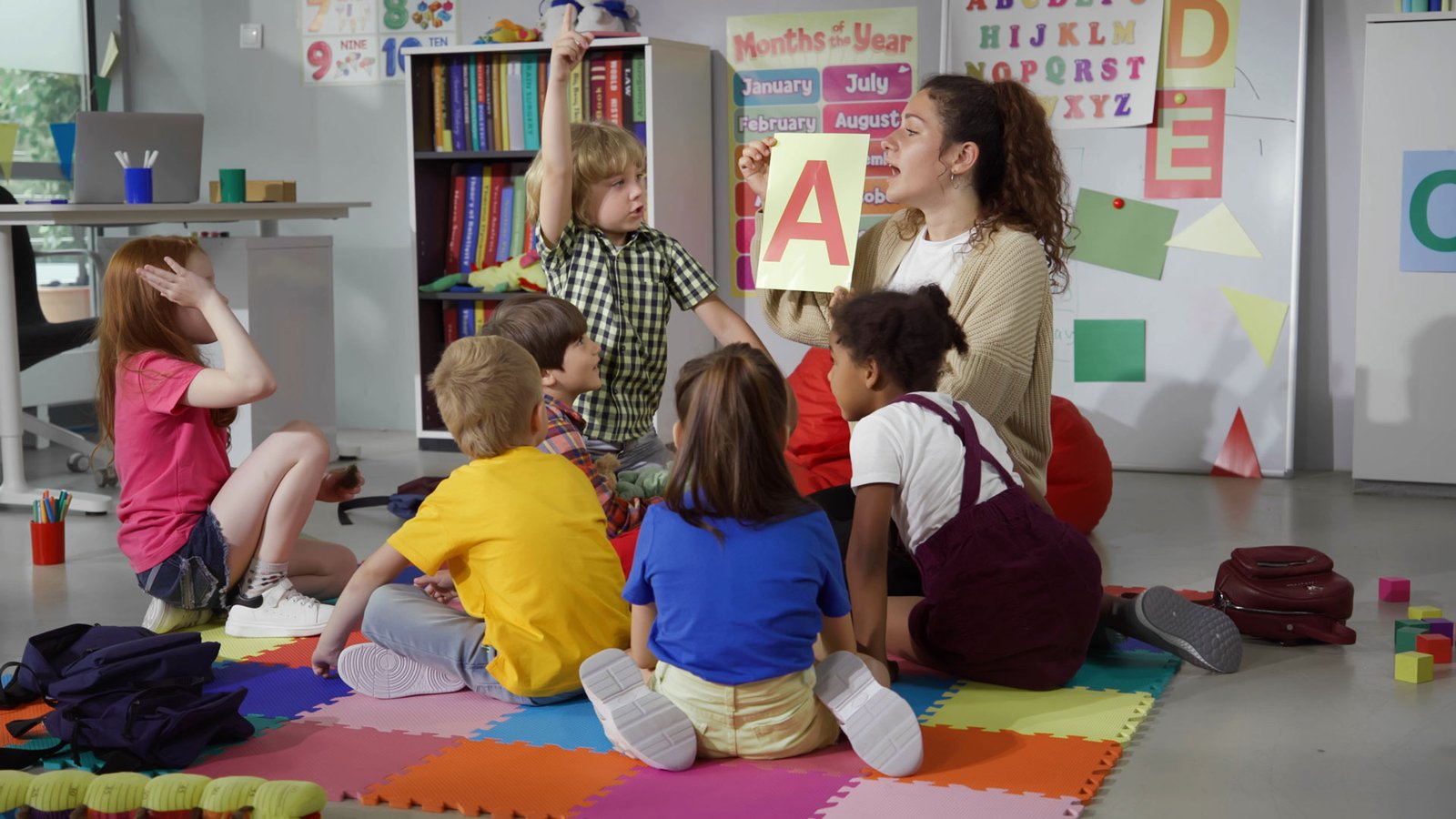
The 60-Hour TEYL (Teaching English to Young Learners) Certification is a specialised qualification designed for teachers who want to work confidently and effectively with children aged 4–12 in both classroom and online settings. This top-up course builds on core TEFL/TESOL skills and focuses specifically on younger learner psychology, classroom management, creativity, safety, and age-appropriate teaching methods.
This internationally oriented module prepares you to teach in:
✔ Kindergartens
✔ Primary schools
✔ Language centres
✔ After-school programmes
✔ Online ESL platforms
✔ Private tutoring environments
Young learners learn differently from adults — they require movement, repetition, routine, imagination, and emotional support. This course will give you the methods, mindset, tools, and structured strategies to teach them successfully using modern, child-centred approaches.
📘 Course Learning Outcomes
By the end of this 60-Hour TEYL course, you will be able to:
-
Explain how children think, learn, and develop linguistically.
-
Use TPR, songs, stories, chants, play, and creative projects to build English naturally.
-
Design lessons for very young learners (4–6), young learners (7–9), and older young learners (10–12).
-
Manage behaviour with positive, child-friendly strategies.
-
Teach vocabulary, phonics, early reading, listening, speaking, and simple grammar.
-
Adapt lessons for online teaching using interactive tools and visuals.
-
Support learners with SEN (special educational needs) sensitively and effectively.
-
Communicate clearly and professionally with parents.
-
Assess young learners using age-appropriate, low-stress methods.
What Will You Learn?
- Explain how children think, learn, and develop linguistically.
- Use TPR, songs, stories, chants, play, and creative projects to build English naturally.
- Design lessons for very young learners (4–6), young learners (7–9), and older young learners (10–12).
- Manage behaviour with positive, child-friendly strategies.
- Teach vocabulary, phonics, early reading, listening, speaking, and simple grammar.
- Adapt lessons for online teaching using interactive tools and visuals.
- Support learners with SEN (special educational needs) sensitively and effectively.
- Communicate clearly and professionally with parents.
- Assess young learners using age-appropriate, low-stress methods.
Course Curriculum
Module 1 — Understanding Young Learners & How They Learn
-
LESSON 1.1 — How Young Learners Think & Learn
-
LESSON 1.2 — Age Groups & Developmental Stages
-
LESSON 1.3 — Young Learners vs. Older Learners / Adults
-
LESSON 1.4 — Meeting Young Learners’ Emotional & Social Needs
-
ASSIGNMENT 1 — My Young Learner Profile
-
Module 1 Quiz
Module 2 — Language, Skills & Syllabus Design For Young Learners
Module 3 — Classroom Management & Behaviour With Young Learners
Module 4 — Stories, Songs, Games & Creative Activities
Module 5 — Teaching Young Learners Online
Module 6 — Assessment, SEN & Working With Parents
Student Ratings & Reviews